Cartridges with extra hardware
A light sensor that needs real sunlight, a gyroscope you steer by turning the console, a rumble motor, a clock that keeps ticking when the power is off — all built into the cartridge, not the console.
10 games
Why put hardware in a cartridge?
The Game Boy Advance itself has no clock, no light sensor and no motion sensor. What it does have is a cartridge connector that carries power and the full address and data bus — so anything wired to that connector can talk to the game.
That let publishers ship new hardware inside a single game. The cost was real: every special cartridge needed extra chips, a custom board and often a bigger or transparent shell, which is why only a handful of games ever did it. But those few produced some of the most inventive handheld games of the decade.
Real-time clock: a world that keeps turning
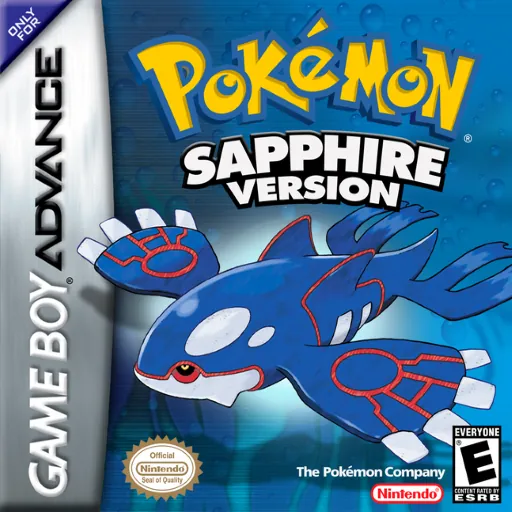
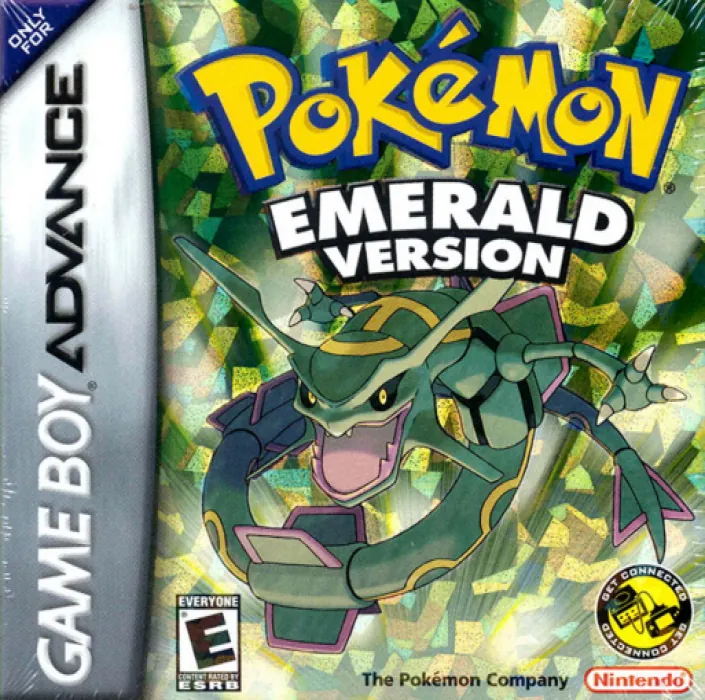
A clock chip and a small coin-cell battery on the board keep counting time while the console is off. Pokémon Ruby, Sapphire and Emerald use it for berries that grow over real days, tides that rise and fall in Shoal Cave, and daily events.
The coin cell does not last forever. Years later, many cartridges show a message that the internal battery has run dry: the game still plays and saves, but clock-based events stop happening. Boktai also reads the clock — the in-game sun follows the real time of day.

Solar sensor: Boktai needs the actual sun
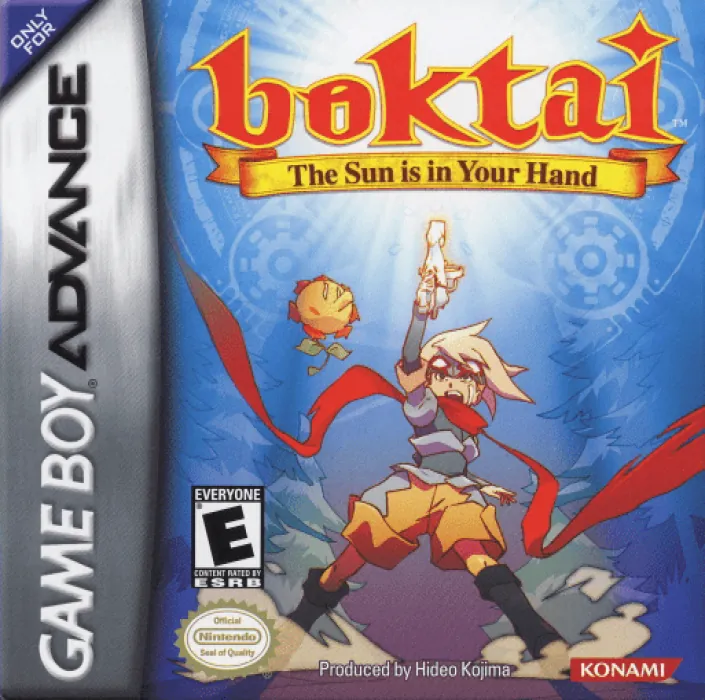
Produced by Hideo Kojima at Konami, Boktai (2003) put a light sensor on the cartridge that responds to real ultraviolet light. Its hero, the vampire hunter Django, fights with the Gun Del Sol — a solar gun that charges only when the sensor sees sunlight.
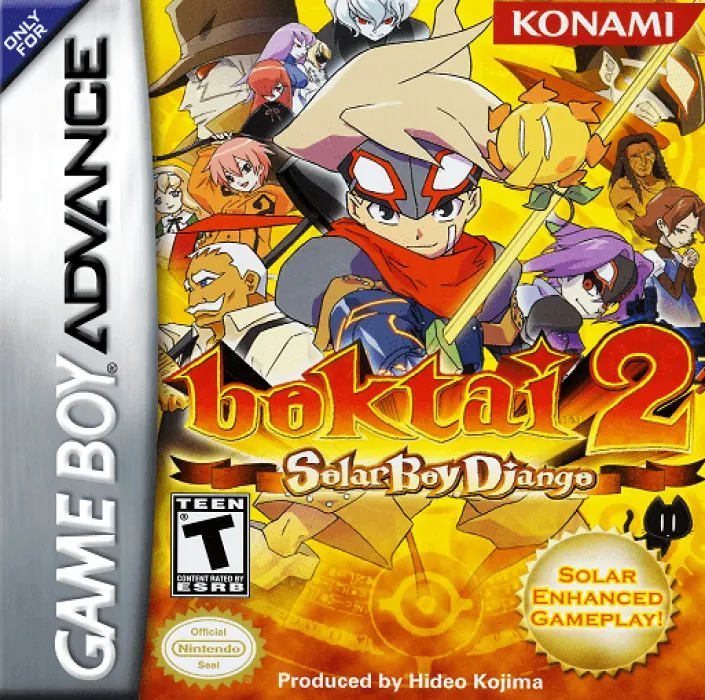
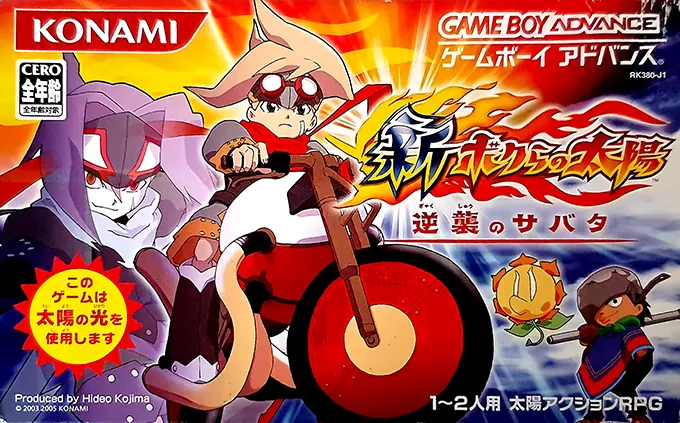
Indoor lamps barely register, so you have to play outdoors or by a window, and some fights cannot be won without the sun. Play in strong sunlight for too long and the gun overheats. Two sequels kept the sensor: Boktai 2 (2004) and Shin Bokura no Taiyō (2005), which was only released in Japan.
Tilt sensor: roll the whole world
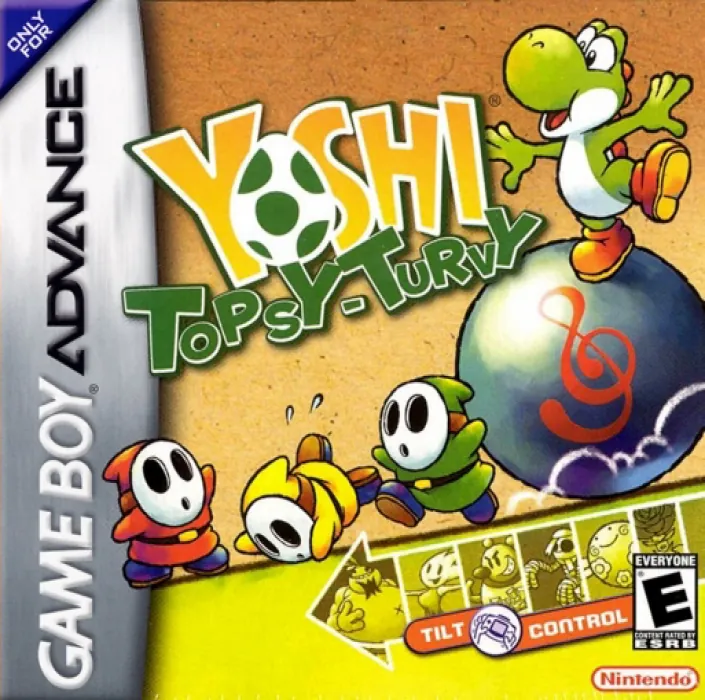
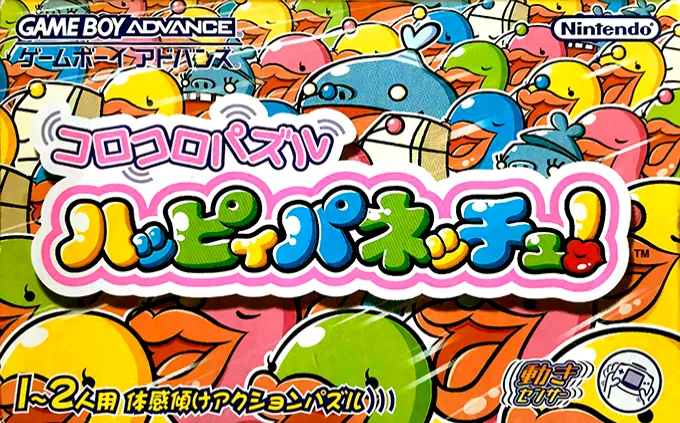
An accelerometer in the cartridge measures which way the console is tilted. Yoshi Topsy-Turvy (Yoshi’s Universal Gravitation in Japan, 2004) turns that into gravity: tilt the GBA and the level tips with it, rolling enemies and platforms around Yoshi. Koro Koro Puzzle Happy Panechu! (2002, Japan only) uses the same idea for a tilting puzzle game.
The idea came from the Game Boy Color, where Kirby Tilt ’n’ Tumble had done it first.
Gyroscope + rumble: WarioWare: Twisted!
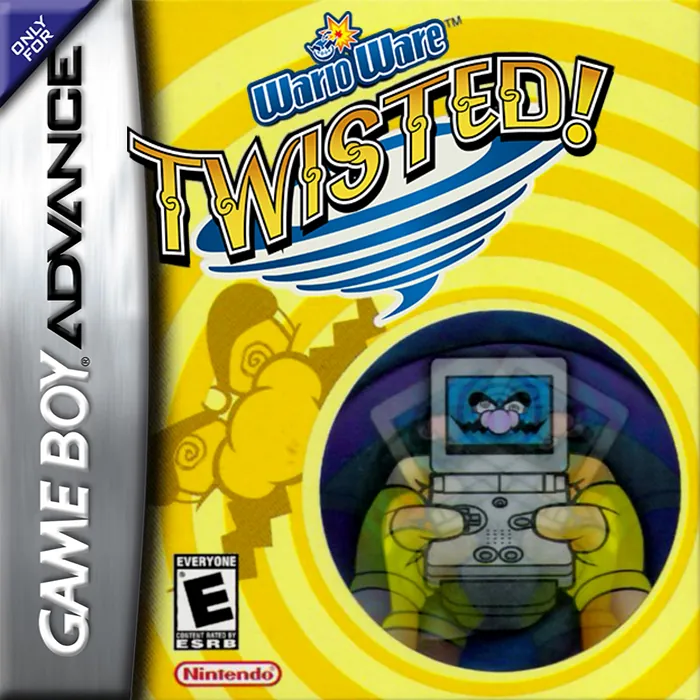
Where a tilt sensor knows which way is down, a gyroscope knows how fast you are turning. WarioWare: Twisted! (Intelligent Systems and Nintendo, 2004) packs a piezoelectric gyroscope made by NEC plus a rumble motor into a noticeably bulky cartridge, and almost every microgame is played by rotating the whole console — steering, cranking, spinning.
It came out in Japan in October 2004 and in North America in May 2005. A European release was announced and delayed several times, then quietly dropped; it never came out there. (The often-repeated story that the gyroscope contained mercury is false.) The manual also warns that it does not work with the Game Boy Player — you would have to rotate the GameCube.
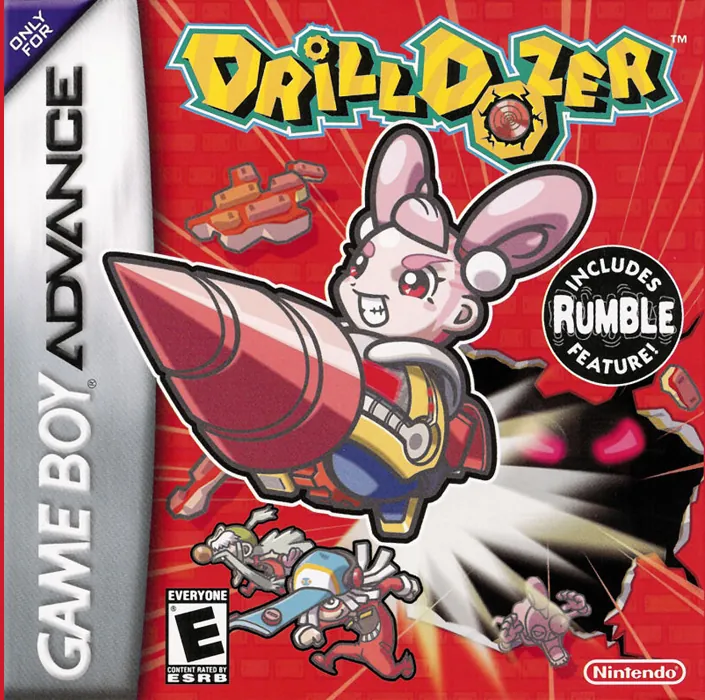
Rumble motor: Drill Dozer
Game Freak’s Drill Dozer (2005), directed by Ken Sugimori, is a platformer about a girl and her drilling machine. Nintendo suggested building rumble into the cartridge; the team said it was hard to implement and needed a custom cartridge, but every drill strike now shakes in your hands.
It was released as Screw Breaker in Japan in September 2005 and in North America in February 2006. Played on the Game Boy Player, the rumble passes through to the GameCube controller.
All 10 games in this exhibition
- Pokémon Ruby Version2002 · Nintendo
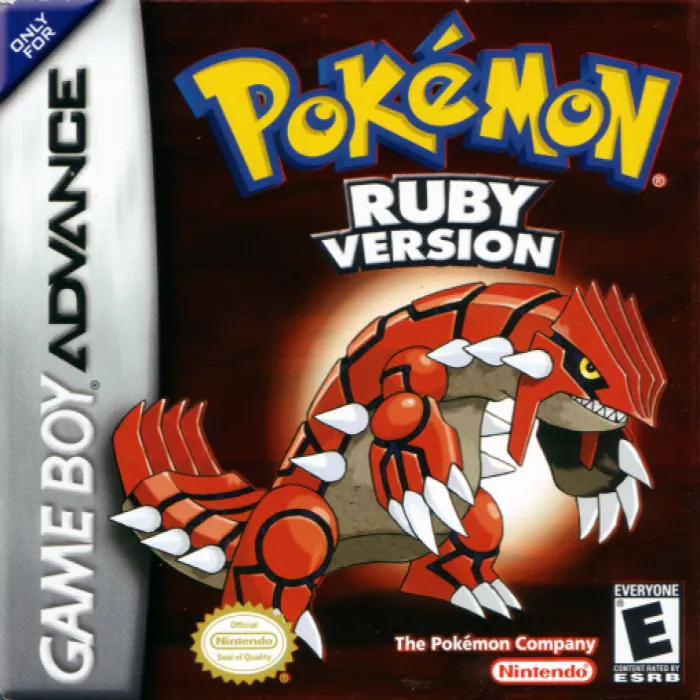

- Pokémon Sapphire Version2002 · Nintendo
- Pokémon Emerald Version2004 · Nintendo

- Boktai: The Sun Is in Your Hand2003 · Konami

- Boktai 2: Solar Boy Django2004 · Konami

- Shin Bokura no Taiyou: Gyakushuu no Sabata2005 · Konami

- Yoshi's Universal Gravitation2005 · Nintendo

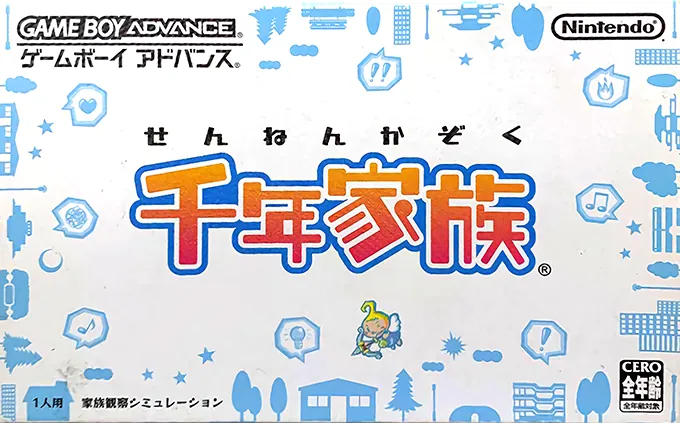
- Koro Koro Puzzle Happy Panechu!2002 · Nintendo

- WarioWare: Twisted!2005 · Nintendo

- Drill Dozer2005 · Nintendo